

Thefamilytreeofthefungiinsideplantroots
AMF Phylogeny explains how arbuscular mycorrhizal fungi are named, classified and placed on the tree of life, with clear guides, reference data and the reasoning behind every change.
A plain-language home for AM fungal classification
Arbuscular mycorrhizal fungi live in and around the roots of most land plants, trading soil nutrients for plant sugars. Their names and groupings keep changing as new DNA evidence arrives, which makes them hard to follow.
AMF Phylogeny keeps that story in one place: where names come from, how species are anchored to type material and sequences, and how to read the trees that place them.
- iNames that hold upHow nomenclature and the codes behind it work.
- iiTrees you can readStep-by-step guidance for phylogenetic trees.
- iiiData you can reuseReference datasets and resources, clearly sourced.
Four guides to begin with
Core explainers on nomenclature, species anchors, reference data and tree reading.

Index Fungorum, Species Fungorum and the Botanical Code
How fungal names are registered, who keeps the lists, and which rules decide a valid name.
Read article
Anchoring the Species Rhizophagus intraradices
Why a well-known species needs a firm reference point.
Read article
Phylogenetic Reference Data, from Phylum to Species
Reference data at every rank, so analysis starts on solid ground.
Read article
How to Read a Phylogenetic Tree of AM Fungi
Branches, nodes and support values, explained simply.
Read article
Why this site exists
Classification of AM fungi has moved quickly. Genera have been split, ranks debated and sequence-based identifiers introduced, and the reasoning is scattered across papers and databases.
Clear, sourced explanations
Each article states what is settled, what is still debated and where to check it.
Built for researchers and students
Useful whether you are naming a species, checking a barcode or learning the field.
Organised by topic
Browse by taxonomy, phylogeny, species and barcoding, or data and resources.
Frequently asked questions
Quick answers about AM fungi and how this site helps you work with them.
They are fungi that form a partnership with plant roots. The fungus gathers nutrients such as phosphorus from the soil, and the plant supplies it with carbon in return. The name comes from branched structures called arbuscules inside root cells.
DNA evidence often shows that an older group does not reflect true relationships, so it gets split or regrouped. One example is covered in why the genus Glomus had to be split.
Start with the tips, follow branches back to shared nodes, then check support values. Our guide on reading a tree of AM fungi walks through it step by step.
Four areas: taxonomy, phylogeny, species and barcoding, and data and resources. Browse them from the category section or the full blog.
Researchers compare short, standard stretches of ribosomal DNA against reference sequences. Reliable identification depends on good reference data, which is why we explain species anchoring in detail.
Open the Data and Resources category, or read the overview of phylogenetic reference data.
Still have a question? Send it to us and we will answer.
Ask a questionThe world of AM fungi

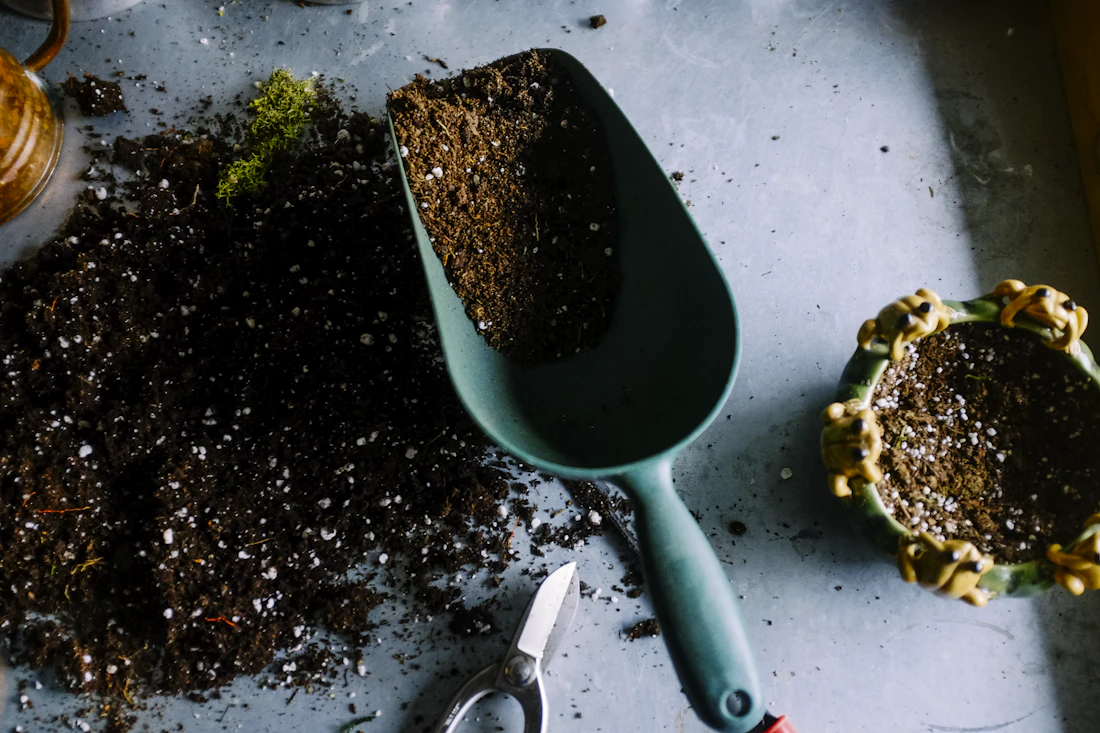
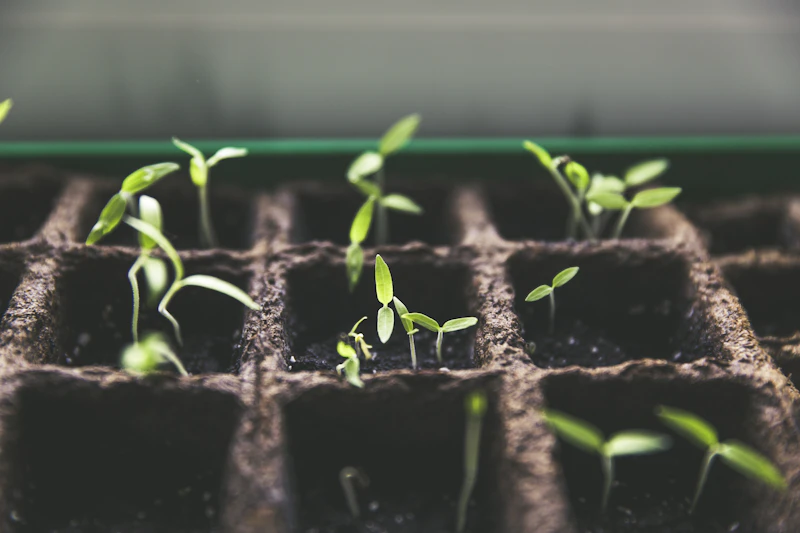
Roots and soil
Where the partnership starts: fungal threads reach into soil and meet the root.
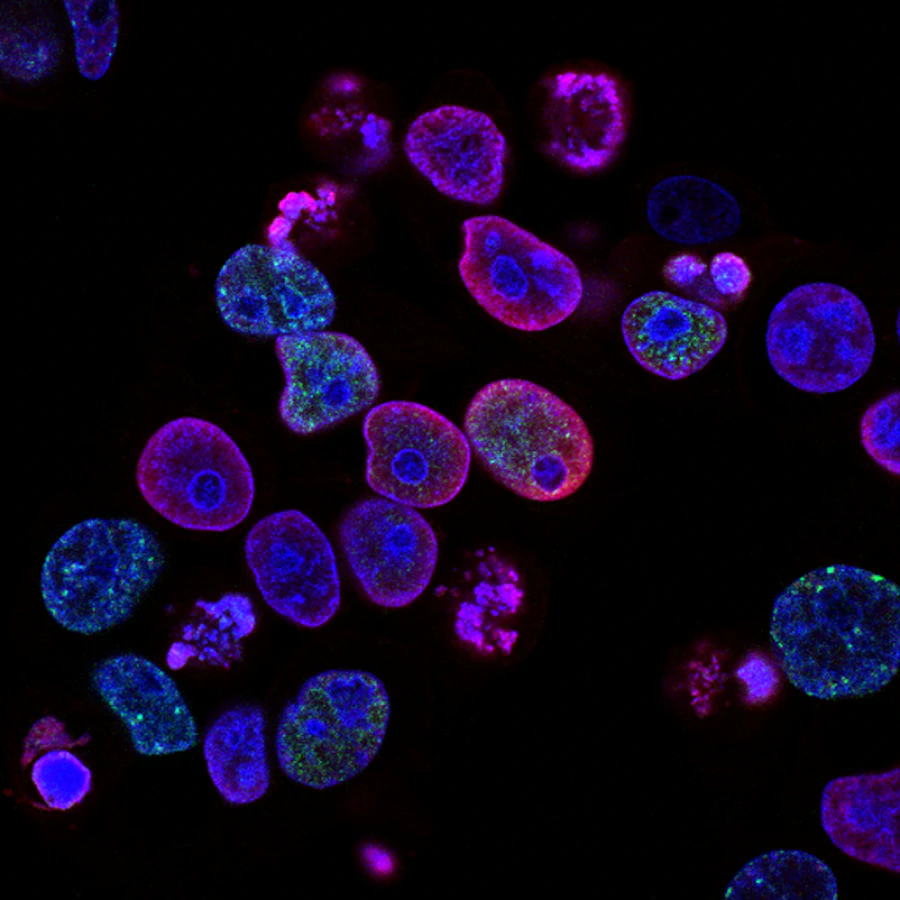
Spores under the lens
Spore shape and wall structure have long been used to describe species.

DNA and barcodes
Sequence data reveals relationships that spores alone cannot show.

Forest networks
AM fungi connect with a wide range of plants in natural ecosystems.

Field and farm
Crops rely on these fungi too, so correct names matter for applied work.
Debates and details worth knowing
Why groups were split, how ranks are argued, and what the identifiers mean.
 1
Why the Genus Glomus Had to Be Split
How DNA evidence showed one large genus hid several distinct lineages, and what that changed.
Read article 2
Glomeromycota or Glomeromycotina? The Rank Debate
Phylum or subphylum: the arguments on each side and why it matters for naming.
Read article 3
What EP Numbers Are and Why They Matter
A short guide to this identifier and how it helps you track records across sources.
Read articleBrowse by category
Pick a topic and go straight to every article on it.

Questions, corrections or ideas?
Spotted an error, want a topic covered, or need help finding a reference? Send a message and we will get back to you.
Email usinfo@amf-phylogeny.com
Reply timeWe aim to respond within a few working days.
Send a message
Message ready
Thank you. If your email app did not open, write to us directly at the address shown.